















One of the biggest disruptions to UK ecommerce market over the past few years has been the entrance of Chinese-founded, online-only platforms like Shein, Temu and AliExpress

Over three quarters (78%) of shoppers at low-cost international platforms, dubbed New Value Entrants (NVEs) in the research, say they are worth taking a risk on compared to 67% across all types of retailers.

It is worth considering that stat hand-in-hand with another finding, which is that 59% of Brits say it is important to treat yourself regularly even if finances are tight.

That impulse to find luxury where you can is also arguably why we are seeing rising premium own-label sales in the Worldpanel by Numerator and NIQ supermarket sales figures. Consumers are trying to eke out the fun in shopping where they can. However, there are some very online reasons why the retail models of these companies are so powerful.

Google retail and FMCG managing director Sophie Neary says that since the pandemic there has been a significant increase in “comparison queries” on the search platform. “Now, sometimes it can be ‘the best’, but often it’s value-led: ’the best price for’, ‘the lowest price for’ or ‘the cheapest’,” she says. (These are some of the trends that also make the growth of shopping through AI-search particularly worth paying attention to).

“So, what we’re seeing is people are more open to be less brand loyal, to switch, to find something because it’s cheaper. And then I think the reason that the NVEs are winning is because they also bring that thrill of discovery and the gamification with it.”

Examples of this include spin-the-wheel rewards giveaways, flash deals and minigames that all keep users on the platform. 

The low prices and abundant item selections also lead to huge volumes of social media content from users verifying product quality, such as unboxing or try-on hauls, all beneficial to overall web presence.

This is particularly notable, given we recently found out that YouTube is now second only to the BBC as the most-watched media service in the country.

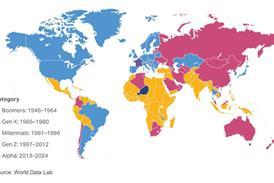
Google’s research showed that over half (51%) of Brits had bought something from one of these websites in the last six months, with the rate higher among Gen Z shoppers (65%) and families with children (73%).

UK retail leaders have been leveraging politics to fight back against the growth of these platforms, with some calling for the ending of the ‘de minimis’ threshold for imports to lessen the price advantage. The Trump administration in the US recently announced that it was abolishing ‘de minimus’ for all imports, having already removed the exemption for goods from China and Hong Kong earlier in the year. 

In terms of what established UK retailers can do to win back markert share outside of the legislative retailer, Neary’s advice is to make sure that retailers are appearing on the channels that consumers are using, whether it is search, social or video, and prioritising being easily discoverable online.

“You’ve got to be findable to be winning,” she says.