















McColl’s today confirmed it plans to float on the London Stock Exchange by the end of February. Retail Week takes a look at the flotation plans.
- The principal motive for McColl’s flotation is to improve its capital structure to give the retailer a strong foundation for store growth. “The main reason to float is to have a better capital structure more suited to our growth objectives. We would like to move a lot faster in the future,” executive chairman James Lancaster told Retail Week.
- The retailer, established by Lancaster in 1973, is privately owned with 80% of its equity held by the management. The initial public offer will also comprise a partial sale of Cavendish Square Partners’ shares. McColl’s is being advised on its float by Numis and Livingstone Partners.
- McColl’s aims to raise around £50m from the float to reduce the level of outstanding borrowings under the group’s existing debt facilities.
- McColl’s sales increased from £804.8m in 2011 to £869.4m in 2013 and adjusted EBITDA rose from £31.2m in 2011 to £34.9m in 2013. Like-for-likes rose 1.5% over Christmas.
- McColl’s has 1,276 stores – 710 convenience shops and 566 newsagents. The retailer amims to rebalance its portfolio to have 1,000 convenience shops and 350 newsagents by the end of 2016 by converting newsagents into food stores. Newsagents operate under the Martin’s brand in England and Wales, and the RS McColl brand in Scotland.
- The retailer’s strategy is designed to capitalise on the rapid growth of the convenience sector, which is forecast by industry body IGD to grow from £35.6bn in 2013 to £46.2bn in 2018. McColl’s is the second largest player in the market in terms of store numbers behind Tesco.
- The number of convenience stores in McColl’s estate has increased from 314 in 2005 (representing 24% of the total) to 714 now, (representing 56%).
- Lancaster points out McColl’s will be attacking a distinctly different market to the major multiples because its stores are in neighbourhood locations. “We serve chimney pots where people live and less than 10% of our shops are on the high street,” Lancaster says.
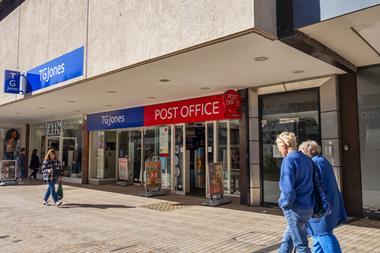
- The group currently operates 423 Post Offices and will take part in the Post Office’s modernisation programme by converting its existing Post Office counters to a new model and increasing the number of its in-store Post Offices.
- Retail veteran Lancaster has no plans to leave McColl’s following the float. “I’m staying and will have a meaningful stake in the business. I’m a great admirer of Malcolm Walker and he’s even older than me so I intend to continue,” he said.


No comments yet