











Asda has Sainsbury’s in its sights following the completion of its takeover of EG UK as it seeks to move into second place in the grocery league table.

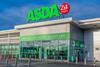
Asda Express exterior

Asda will look to make up ground on Tesco and Sainsbury’s in c-stores

As the £2bn deal went live this week, uniting Asda with owners the Issa brothers’ forecourts and convenience retail business, Asda emphasised its “long-term” ambition to become the UK’s second-largest supermarket – a position held by Sainsbury’s.

The acquisition looks likely to transform Asda’s presence in convenience where Tesco and Sainsbury’s have long-established scale. Asda described it as key to its ”strategic plan to create a value-led convenience offer” by rolling out Asda Express c-stores. 

Asda has 478 convenience stores and it intends to open another 300 by the end of 2026.

“There has certainly been movement among the big four. Morrisons’ position was taken by Aldi last year”

However, seizing the number two spot from Sainsbury’s will depend on powering up the momentum at Asda’s core business – its 580 supermarkets. 

Since the Issa brothers bought Asda in 2020, there have been big changes. The grocer was widely thought to have been milked by former owner Walmart and the entrepreneurial Issas have brought some much-needed vigour. It has – like its rivals – kept prices down during the cost-of-living crunch with, for instance, a £100m investment in the Essentials range and ‘drop and lock’ price offensives.

It has also sought to bolster customer loyalty with the launch of Asda Rewards, allowing shoppers to build up a cash pot to be spent in-store or online. So far, users have earned £200m.

Like others, Asda has significantly increased staff wages, which will have benefited morale and commitment as retailers battle to find the best employees as well as help them through a period of punishing inflation.

Numbers game

That’s all good and no doubt there will be more such initiatives to come. However, unseating Sainsbury’s from the number two spot in grocery is a big ask. 

There has certainly been movement among the big four. Asda was itself knocked off the number two spot by Sainsbury’s some time ago, though briefly regained it in 2019, and Morrisons’ number four position was taken by Aldi last year.

The acquisition of EG will automatically bring extra grocery sales that will be included in market monitor Kantar’s keenly watched data – the exact amount is unclear at present. Sales from concessions and through Asda-owned franchise agreements will not be included. 

Asda is pitching itself against a Sainsbury’s that is performing well. This week, Sainsbury’s interim results revealed increases in volume and market share, and the retailer said full-year profit would come in at the top end of guidance. 

Boss Simon Roberts praised the retailer’s performance, saying its focus on food and keeping prices low meant it was not only taking market share from its supermarket rivals but even from the discounters “for the first time”.

“Not only does Asda need to outflank Sainsbury’s, it’s also operating in an environment where market leader Tesco is keeping up momentum”

The most recent Kantar data, for the 12 weeks to October 2, showed Sainsbury’s market share inched up year on year to 14.8% as sales advanced 9.1%. Asda’s share was down from 14.3% to 13.7%, and its sales rose 2.9% – behind not just Saisnsbury’s but the 7.8% achieved by grocery multiples overall.

That may only be one period but those sorts of numbers have to change, particularly as discounters Adli and Lidl pile on sales and market share. Aldi is very close to double-digit market share. 

Not only does Asda need to outflank Sainsbury’s, it’s also operating in an environment where market leader Tesco is keeping up momentum. There, the highly regarded Jason Tarry is soon to be succeeded by former Aldi boss Matthew Barnes as boss of the flagship UK and Ireland division. Barnes’ arrival may end up giving Asda little room for manoeuvre.

While Tesco looks well placed to pull off a seamless succession, Asda still has no chief executive. Success is never down to a single leader and the self-made Issas seem like hands-on owners who have made an impact at Asda. But the absence of a chief executive is unlikely to help realise Asda’s plans.

While a resurgent Asda is certainly possible, it has set itself a chunky challenge in becoming the second biggest grocer.